

If you love to travel but have complex prescriptions, navigating international customs requires careful preparation. Polypharmacy, or taking multiple daily medications for one or more conditions, presents distinct logistical hurdles during international travel. What is considered a routine at home can trigger confiscation, heavy fines, or even detention abroad without proper documentation.
Highly Restricted Everyday Medications
Border control agencies do not assess medications based on home-country legality; they evaluate active chemical ingredients under local law. These are just a handful of examples. The key point is that carrying prescriptions abroad may require proper documentation.
- United Arab Emirates (UAE): Common medications such as codeine-based pain relievers, ADHD treatments, and certain sleeping aids are strictly regulated. Travellers carrying controlled Class A or Class B drugs must register via the Ministry of Health and Prevention (MOHAP) online portal to secure an official import permit before travel.
- Japan: Japan enforces strict regulations under its Pharmaceutical Affairs Law. Over-the-counter decongestants containing pseudoephedrine or certain allergy inhalers are strictly banned. ADHD treatments containing amphetamines (such as Adderall) are forbidden without exception, while carrying narcotic painkillers or psychotropics requires a pre-approved Yunyu Kakunin-sho (Import Certificate).
- Greece & Schengen Area: Greece severely limits the entry of psychotropic medications, including benzodiazepines like diazepam, unless accompanied by formal, legalised documentation specifying exact dosages.
Step-by-Step Protection: Carrying Proof of Medical Necessity
When travelling across borders with multiple prescriptions, carrying loose pills in daily organisers is a critical mistake. To prevent confiscation, follow these essential preparation steps:
- Keep Original Packaging: Store all medications in their original, pharmacy-labelled boxes that show your full legal name, dosage instructions, and brand name.
- Carry Official Doctor's Attestation: Obtain a letter signed by your prescribing doctor detailing your diagnoses, the generic (chemical) names of all prescribed drugs, daily dosages, and total quantities brought.
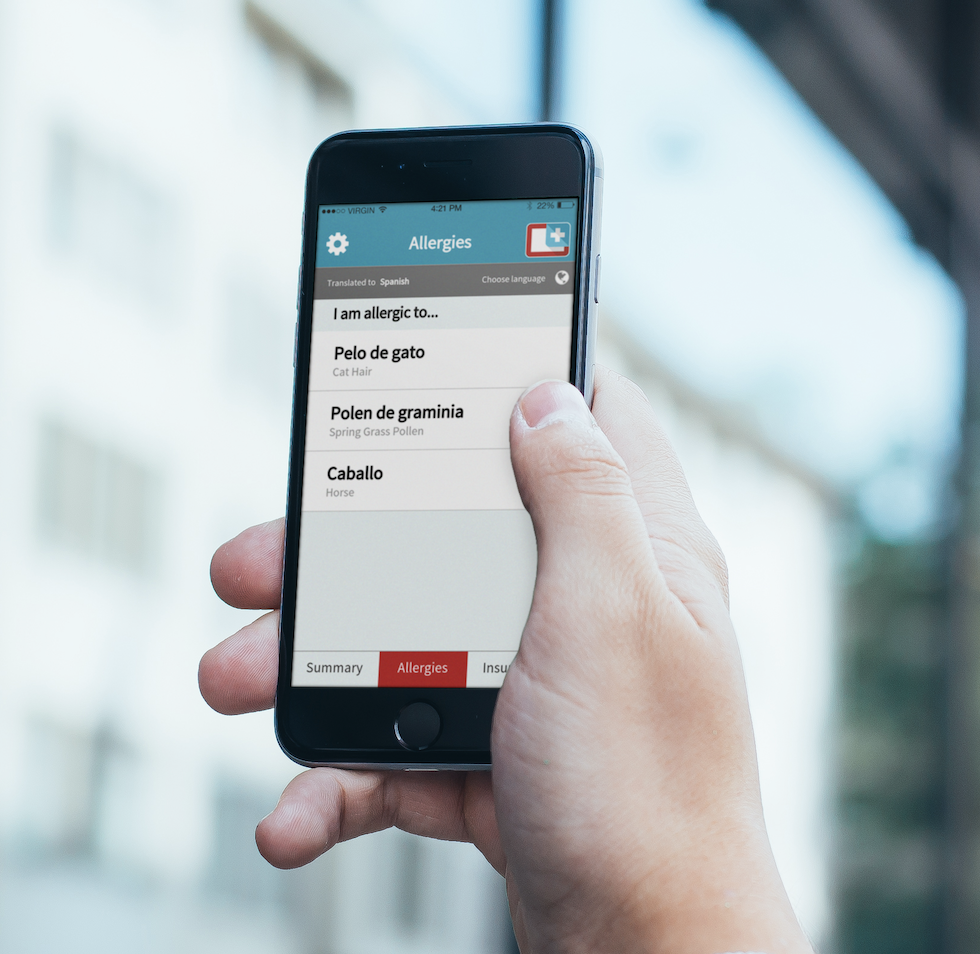
- Bring Digital & Offline Backups: Store digital copies of your official prescriptions, medical history, and emergency contacts offline on your mobile device.
Emergency Refills Abroad: Overcoming the Language Barrier
Losing a medication bag or experiencing travel delays can create a health emergency. Foreign pharmacies cannot dispense medications based on a domestic paper prescription, and local pharmacists may not recognise country-specific trade names.
To obtain an emergency refill safely in an international clinical setting, doctors need immediate access to standardised medical information:
- Generic Names (APIs): Brand names vary significantly around the world. Knowing the active pharmaceutical ingredient (e.g., paracetamol vs acetaminophen) is critical.
- Standardised ICD-11 Codes: The World Health Organization's International Classification of Diseases (ICD-11) provides a global medical shorthand. Presenting conditions and medication requirements through universally recognised codes lets foreign doctors identify necessary treatments instantly, bypassing language barriers.
How World Medical Card Bridges the Gap
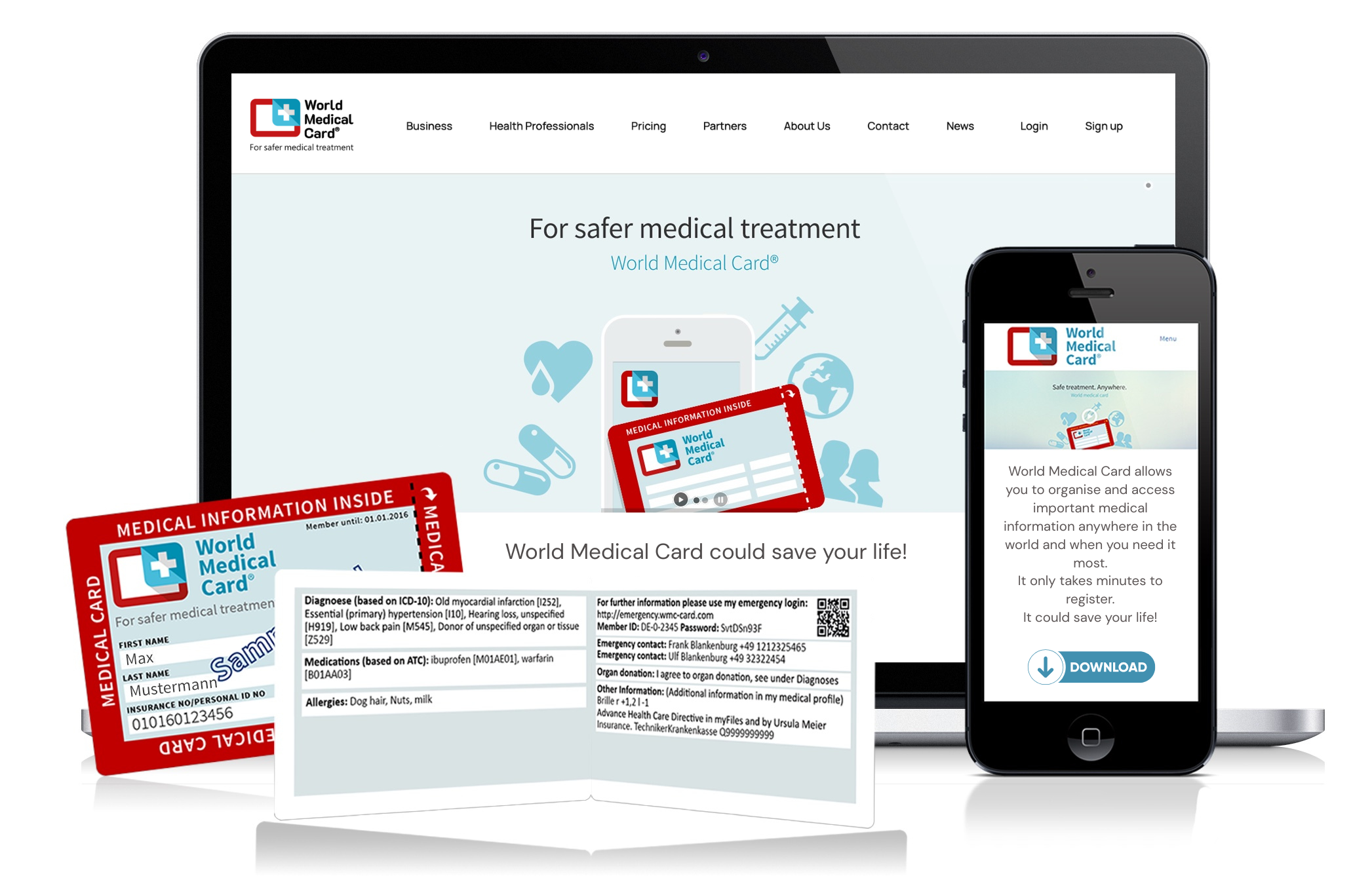
The World Medical Card (WMC) simplifies international travel for individuals managing multiple medications. Combining a sealed, durable physical ID card with a secure digital app, the WMC system translates complex health profiles into standardised, internationally recognised WHO ICD-11 codes.
Whether clarifying a daily routine at border control, communicating medical necessity during an unexpected health review, or seeking an emergency prescription refill from a local doctor, the World Medical Card ensures your vital medical information is clear, accessible, and understood anywhere in the world.