
Deploying an employee on an international assignment is a massive logistical puzzle. Global Mobility Managers routinely master the complexities of visas, tax compliance, cost-of-living adjustments, and physical relocation. Yet, an employee's most critical asset—their health—is frequently left vulnerable during the chaotic pre-departure phase.
While comprehensive international health insurance is a standard fixture of assignment packages, insurance alone does not solve the immediate, hands-on challenge of navigating a foreign medical system during an emergency. This is where proactive medical data management comes into play. By integrating the World Medical Card (WMC) into pre-departure protocols, Global Mobility Managers can significantly elevate duty of care, reduce medical assignment failures, and actively protect employee well-being before they and their family ever board a flight.
The Pre-Departure Blindspot in Corporate Mobility
The weeks leading up to an international relocation are incredibly high-stress. Amid packing and wrapping up domestic projects, employees rarely prioritise compiling their medical history, translating their prescriptions, or detailing their allergies for a foreign audience.
If an expat or their accompanying family member experiences a medical crisis on arrival, they can face potential issues with communication:
- Language Barriers: Explaining complex medical histories or specific drug names to local emergency staff.
- Non-Standardized Medical Terms: Brand names for prescription drugs vary widely across borders.
- Fragmented Information: Finding out a critical allergy or previous surgery when the patient is incapacitated.
For mobility teams, these vulnerabilities convert directly into corporate risk. A medical emergency handled poorly in the first month can result in severe illness, traumatic stress, and ultimately, an incredibly costly, premature assignment failure.
Enter the World Medical Card: A Strategic Mobility Asset
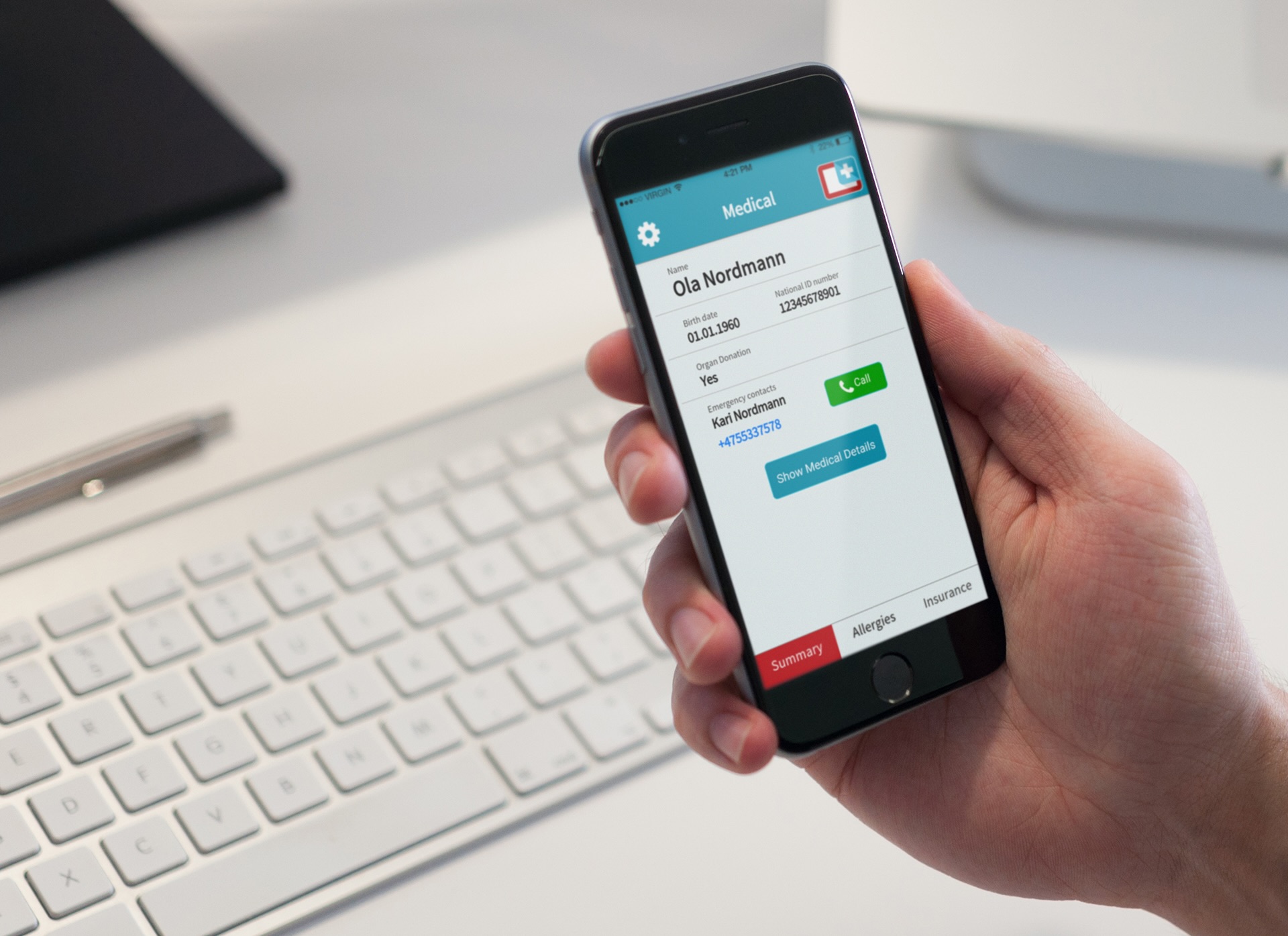
The World Medical Card is a dual physical and digital medical ID system designed to give individuals a portable, globally understood medical profile. It doesn’t replace insurance, but acts as an active medical advocate.
Here is how the platform directly empowers Global Mobility Managers to enhance employee health and readiness before departure:
1. Standardising Medical Data via Global WHO Standardised Codes
The World Medical Card requires individuals to input their personal medical conditions, required prescriptions, allergies, and blood type into a secure portal during their pre-departure prep. Their accounts are private, and employers do not have access. The system automatically codes this information using the World Health Organization’s standardised ICD-11 (International Classification of Diseases) and ATC (Anatomical Therapeutic Chemical) classifications.
Why this matters for mobility: It completely eliminates prescription confusion. A medication known by a brand name in New York or London can be instantly cross-referenced and understood by a pharmacist or emergency doctor in Tokyo or São Paulo using its universal ATC code.
2. Overcoming Language Barriers in Over 100 Languages
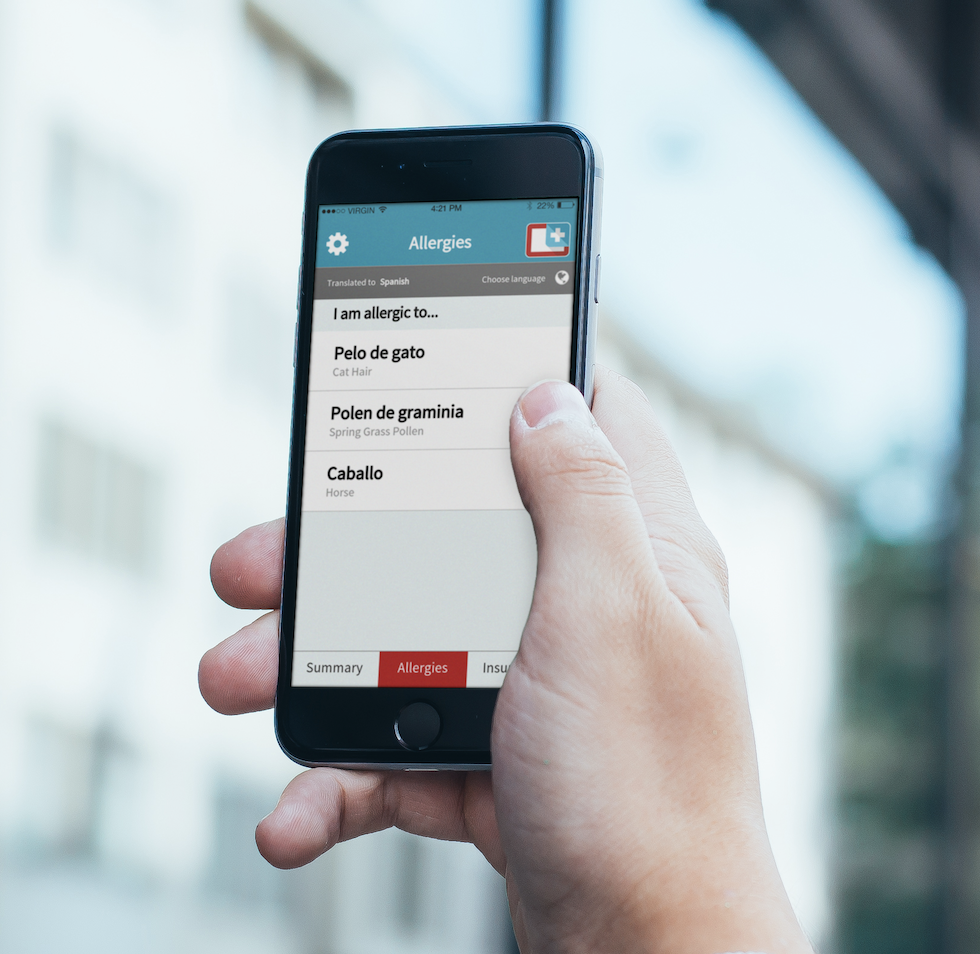
Through its secure app, the World Medical Card can instantly translate an employee’s vital medical profile into more than 100 languages. If an employee or dependent relocates to a region where they do not speak the local language fluently, they do not have to worry about translating complex medical jargon under stress. They simply present the app or their physical WMC Emergency Card to local first responders.
3. Fostering Proactive Health Ownership
Introducing the World Medical Card during pre-departure briefings encourages employees to pause and intentionally audit their family's health requirements. It prompts critical questions before the move: Do we have enough refills on our prescriptions? Are our vaccine records up to date for the host country? Are our emergency contacts correctly mapped for international dialling?
Actionable Steps for Implementation
To maximise the impact on employee well-being, Global Mobility Managers should embed the system directly into the relocation timeline.
- Benefit Provisioning: 45 Days Before Departure.
Issue World Medical Card corporate licenses to the employee and their relocating dependents alongside their standard visa and relocation briefings.
Instruct the employee to download the app and securely enter their medical history, current prescriptions, allergies, and blood type into the WMC platform. Once their profile is up to date, remind them to order the physical card. - Verification & Delivery: 30 Days Before Departure.
The employee receives their physical WMC Emergency Card. - Pre-Departure Clearance: 14 Days Before Departure.
Confirm, as part of the final mobility checklist, that the employee's medical card is active and that they understand how to use the app's translation features in the host country.
The Bottom Line
True duty of care isn't just about paying medical bills after an event—it is about providing employees with the infrastructure to navigate medical vulnerability safely. By providing the World Medical Card before departure, Global Mobility Managers give their international assignees a vital safety buffer, ensuring they land in their host country feeling secure, protected, and fully prepared for the journey ahead.